The next checkpoint is closer
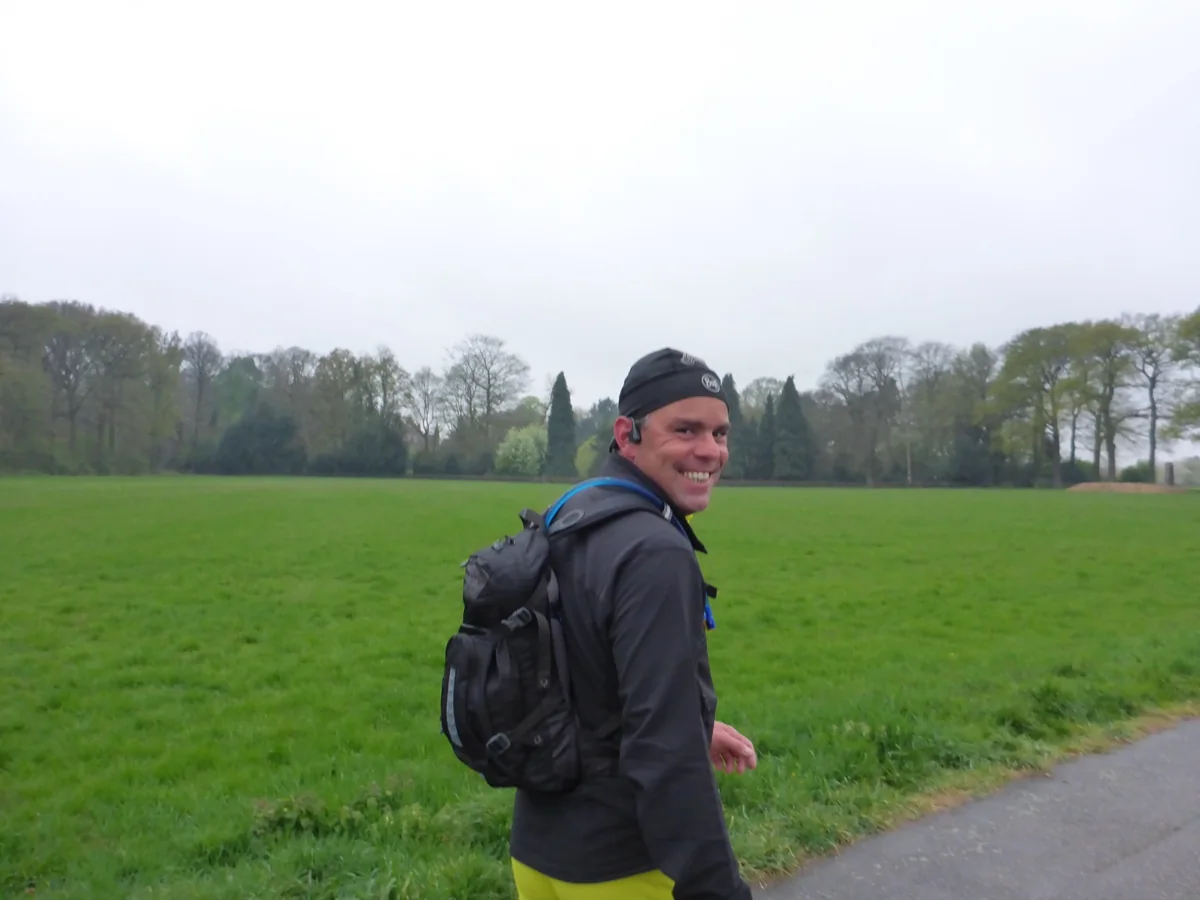
Eighty kilometres can feel daunting. During his first Kennedy-Mars, Dion learned to make the walk smaller in his mind: first reach the next refreshment stop or checkpoint. Only then focus on the next goal.
A goal about an hour away, or a little more, helped him keep perspective. That hour is not a fixed rule. On your own walk it could be the next bridge, a village or a familiar junction. Choose something that suits you and the conditions.
Your rhythm does not have to match anyone else’s
A mountain guide once gave Dion a lesson that stayed with him: find a pace you can sustain. For him, that meant less switching between rushing and having to get going again. He learned to notice the relationship between his steps and his breathing.
That is his personal experience, not an instruction to walk without breaks. Take the rest you need and adjust your plan when conditions or your body call for it. An intermediate goal helps you choose; it does not oblige you to do anything.
Try it on your own walk
- Before setting off, choose one recognisable next point.
- Walk at your own pace and adjust along the way.
- At that point, check how you are doing before choosing the next one.
- Afterwards, note what felt good and what you would change.
In AmbleGo you can add a note to a saved walk. For example: “Started more slowly; still had energy at the bridge.” Alongside kilometres, you record what you learn about your own way of walking. The app does not automatically set your intermediate points or route.